
✅ BC launched the BC PharmaCare National Pharmacare Plan for provincial residents on March 1, 2026. With federal support, the plan will cover the full costs of diabetic medications and menopausal hormone therapy.
✅ BC is piloting integrated, day-long child care in public K-12 schools and making important investments in infrastructure and support staff to develop a public child care network integrated with existing public schools.
✅ BC has taken on short-term rental platforms like Vrbo and AirBNB. They passed rules which stop people turning homes into AirBNBs (or equivalent) unless they’re the owner’s primary residence, or a secondary suite on that property. As of May 1st 2025, all short-term rental hosts must register with the province to operate.
✅ BC has a speculation and vacancy tax to address investor landlords sitting on vacant homes. This has helped tackle the housing crisis.
❌ Reversed its earlier opposition to increasing the capacity of the federally- owned Trans Mountain pipeline.
❌ Alberta became the first province to legislate dual practice and private health insurance for all medically necessary services. This opened the door to a two-tier system in which access to health care is based on ability to pay and not on need.
❌ The government of Alberta replaces the traditional block funding of hospitals, introducing a new surgery funding model in which public hospitals are paid based on the number and type of procedures they perform. This raises concerns about access inequities and potential for further privatization.
❌The Sturgeon Lake Cree Nation is challenging the Alberta government for granting a Water Act license for the Wonder Valley AI data centre project without respecting their duty to consult with Indigenous peoples.
❌ The province is closing Calgary’s supervised consumption site and Lethbridge’s mobile overdose prevention site June 30. Critics argue the closure will move problems associated with addiction and substance use onto the city’s streets, and lead to deaths that the services could otherwise prevent.
❌ Alberta is directing public funds to support exclusionary charter schools while spending some of the lowest amounts on per-student funding in public schools in Canada.
❌ The Alberta government is attacking academic freedom, diversity, equity and inclusion while under-funding Post-Secondary Education and allowing critical jobs and programs to be cut.
❌ Alberta does not cap rent increases – landlords can effectively increase your rent by however much they want once a year.
❌ Alberta has changed its funding model for women’s shelters which has left many rural women’s shelters with sudden 5% shortfalls in funding.
❌ March 9, 2026: SK announced a new healthcare plan that increases funding for private surgeries and funds recovery programs that force drug users into treatment.
❌ Prairie Harm Reduction closed its supervised consumption site and shut down all services, including family support services and youth houses, following a financial shortfall of thousands of dollars. The closure has resulted in increased strains on community based organizations and an unprecedented rise in calls for emergency services.
❌ The province’s 2026-27 budget provides a 2% increase in funding for community based organizations (CBOs), representing a 1% drop from the previous year and falling well below rising costs. CBOs don’t receive stable, multi-year funding, which limits their ability to plan and deliver services effectively.
❌ Increased funding to private schools by 79% while only increasing funding to public schools by 13%. Made private school funding more opaque and less accountable.
✅ Saskatchewan is launching an Indigenous court pilot through an Elder-guided, co-design process to help address the over-representation of Indigenous people in the criminal justice system.
❌ Saskatchewan disqualifies social assistance recipients from getting the Canada-Saskatchewan Housing Benefit – even though many of them need it the most.
❌ Funding for Northern Saskatchewan roads was cut by $36 million from last year, roughly 30%.

✅The government of Manitoba introduced the first ban on personalized algorithmic pricing that allows companies to use your personal data to make you pay higher prices for groceries and other important products.
✅ MB cut travel private nurse agencies from 70 to 4 January 15, 2026. The goal is to increase the number of nurses working directly in the public system rather than use private agencies.
✅ MB committed to expand an integrated mobile safety alert platform (SAFE App) and to place 128 institutional safety officers (ISOs) in provincial hospitals to help prevent violence and increase response capacity in early 2026:.
❌ Workers in the provincial child welfare system face significant challenges due to limited funding and training. More training for new workers and more funding would improve services for children who enter the system and require emergency placements.
❌ MB increased funding for public school boards, but not enough to address long-term staffing and support needs.
❌Manitoba does not cap annual rent increases for 20 years after a home’s construction.
❌With a new provincial budget, ON continues to be the Canadian province with the lowest healthcare investment per resident. The new budget not only imposes real funding cuts on hospitals but directs a growing share of public funding to for-profit health care delivery (e.g. private surgical facilities and staffing agencies), where public dollars leak into private profits.
❌ON announces the closure of last provincially supported supervised consumption on April 10, 2026. Seven sites were closed since the initial announcement on March 16: two sites in Toronto, two in Ottawa and one each in Niagara, Peterborough and London.
❌Bill 40, Protect Ontario by Securing Affordable Energy for Generations Act, receives royal assent in December 11, 2025. This Bill writes into law that economic growth is now an objective of the Ontario Energy Board and sets out new rules for data centres grid connections which could lead to companies developing data centres receiving public funds.
❌The Ontario government is fast tracking a gold mine despite concerns and a pending lawsuit from the Grassy Narrows First Nation over the duty to consult in line with the United Nations Declaration on the Rights of Indigenous Peoples.
❌ A May 2026 report published by the Ontario Nonprofit Network found that “care policies in Ontario are weak, outdated, and do not go far enough to meet care needs.” Care systems are operating at unsustainable levels and weak employment legislation leaves care workers vulnerable to workplace abuse and exploitation.
❌ The Ontario government has contracted out some WSIB services to U.S. company Iron Mountain, leading to 26 job losses. Workers went on strike for almost 2 months over excessive workload, stress and burnout, which indirectly impact the level of services WSIB provides to injured workers.
❌4,000 OPSEU social services workers went on strike or were locked out in June 2026. Workers are fighting for a wage redress to Bill 124, increased funding, and stronger wages. Chronic underfunding is causing people in need to fall through the cracks as they struggle to obtain needed supports.
❌ Directed tens of millions of taxpayer dollars into the opaque “Skills Development Fund” which paid out funds to private businesses connected to the Ford family, while spending the lowest per-capita on public Post-Secondary Education in Canada.
❌Suspended local, democratic control of school boards using Bill 33, appointing unelected “Supervisors” to make unpopular cuts to school supports, while underfunding schools by $6.8bil over the last eight years.
❌Ford and Carney governments eliminated HST on the purchase of newly built homes, for *all* buyers, not just first time buyers – a huge give away to investor landlords. Premier Ford said “we will be rebating the full HST for all new homes, no matter if you’re a first time buyer, second or a ten time buyer, you’re getting the HST deducted”.
❌Ontario doesn’t cap annual rent increases on homes built after 2018.

❌ In 2025, the Quebec government started replacing social assistance case workers with algorithms, putting vulnerable clients at risk. It cost $31.5 million and led to 244,000 failed connections by phone.
✅ May 26, 2026: After paying the firm Petal to develop a digital healthcare platform to organize appointments and ER visits, QC realized it did not own the system and was faced ballooning costs. The government reportedly decided to start the process all over again to develop its own solution in house to ensure property over the code.
❌ The Quebec government is allowing Hydro Quebec to privatize new developments in the electricity system.
❌The Quebec government is being called on to address systemic racism and discrimination in the prison system and other public services that resulted in an Innu man dying after failing to receiving medical care.
✅ Recognized public Post-Secondary Education as vital economic infrastructure with a five-year development plan and $392million in funding, helping to close gaps in per-capita student funding. Funds will support infrastructure but also core staffing needs and research and development.
❌ Continues to expand L’école à trois-vitesses – a three-tiered system of primary education – by supporting private and charter schools, keeping Quebec’s primary education system the most unequal in Canada.
 ❌NB will sign an agreement with Foundever Group (a private U.S.-based corporation) for virtual care services, replacing a previous contract to outsource the triaging of patients and managing of virtual healthcare appointments.
✅ NB officially launched the voluntary Addictions and Mental Health Court Program on April 1, 2026, which offers an alternative to the traditional court system for people dealing with severe mental health or addictions issues.
❌ The New Brunswick Coalition for Pay Equity published a new report showing that low pay, exhaustion, and insufficient funding are undermining the province’s community social services sector. Employees are performing unpaid work due to short staffing, resulting in burnout, high turnover, and challenges in adequately supporting communities.
❌ NB bargained in bad faith with school board support workers in 2025 and repeatedly attempted to force mass layoffs of school library workers in spite of claiming the province was increasing school supports. The province has the lowest literacy rates in Canada.
❌ New Brunswick has some of the lowest social assistance rates in Canada.
❌ Approved a 25-year contract with ProEnergy, an American-based company, to build and run diesel and gas turbines in rural NB. This contract is estimated to cost $3.5 billion. The turbines are projected to produce around 900,000 tonnes of carbon dioxide a year.
❌ Supports the planned AI data centre in Lorneville, partially powered by a gas plant built by VoltaGrid, an American company. The data centre will destroy wetlands and old-growth forest with 200- to 400-year-old trees on site is estimated to become one of the largest emitters and power users in the province.
✅ Passed the Pay Transparency Act, which aims to close gender and systemic wage gaps.
❌ May 10, 2026: Despite promising to reduce reliance on nurse staffing agencies, NL’s new budget only allocated $6.5m to create a public nurse travel team. Private travel nurses still received six times as much money despite a 2025 Auditor General’s report that flagged provincial overspending and possible billing fraud in contracts with nurse staffing agencies.
❌ The NL government has failed for years to address funding deficits, deferred maintenance issues at Memorial University of Newfoundland (MUN), the province’s only public university.
❌Imposed a flawed “education accord” on all levels of education in 2025, modelled after the disastrous “health accord.” The initial “accord” report excluded union input and was riddled with fake citations.
❌Newfoundland does not cap rent increases – landlords can effectively increase your rent by however much they want once a year.
✅ Increased the seniors benefit by 20% on July 1, 2026
✅ Discontinued the search for Public-Private Partnership (P3) contracts for highway twinning project
❌NS reached tentative deal with 3,600 CUPE workers in long-term care on June 6, 2026. As the government refused to make a satisfactory offer to improve wages and working conditions, workers were forced into a sector strike for 8 weeks.
❌The provincial government repealed the Social Workers Act without notice or consultation in February 2026. The Justice and Social Services Act will transition the regulation of social work to the Regulated Health Professions Act. This could impact the college’s ability to ensure the safe delivery of ethical social work practice and its ability to ensure the most vulnerable voices are heard.
❌The provincial government plans to cut $130 million in grants to community organizations that provide scholarships, health programs, and services for seniors, youth and Indigenous peoples.
❌A report calls on the Nova Scotia government to apologize to Mi’kmaw and Black communities for environmental racism where Indigenous, Black and racialized people are disproportionately affected by environmental hazards and pollution.
❌ This year’s budget included a multi-year funding cuts that will cut 1,000 jobs this year and plans to reduce the civil service by 5% and the broader public sector by 3% each year over the next four years.
❌Nova Scotia has one of the lowest social assistance rates in Canada.
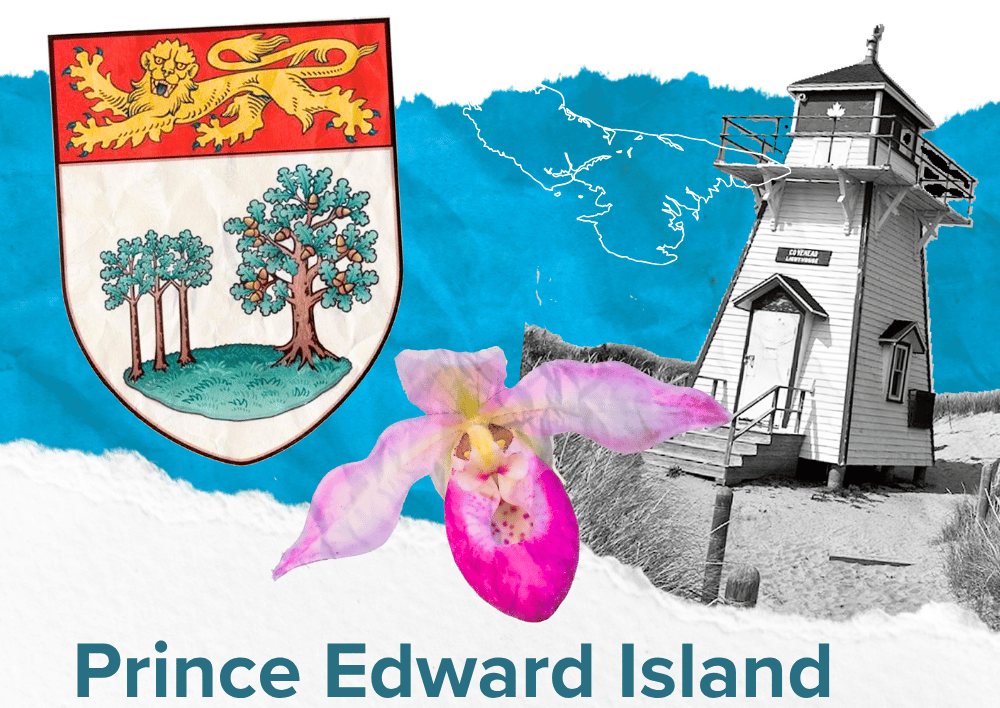
❌An Auditor General’s report found that Health PEI paid tens of thousands of dollars for senior managers through a private employment agency. Costs would have been much lower if they had hired managers directly.
❌The government of PEI announced cuts to the corporate tax rate from 16% to 15% while increasing spending on corporate hand outs. This will cut important revenues that fund our public services
✅ PEI’s 2026 budget included $30.9 million to support the recruitment and retention of health care workers across the health care system.
❌The PEI government cut $1.4 million in funding for child care centre support staff that was key to supporting child care staff and create quality early learning and education programs.
❌ Continues to expand private, for-profit Long Term Care (more than 50% of Island LTS homes are private) with no expansion of public LTC services.
✅ Added an 82-unit social housing development in Charlottetown, with rent geared to income.
✅ Announced a multilateral emergency management agreement, establishing Abegweit First Nation as an equal and full partner.
❌ Continues to allow Maritime Electric (a private corporation) to raise electricity rates while maintaining a built-in 9.7% profit margin.
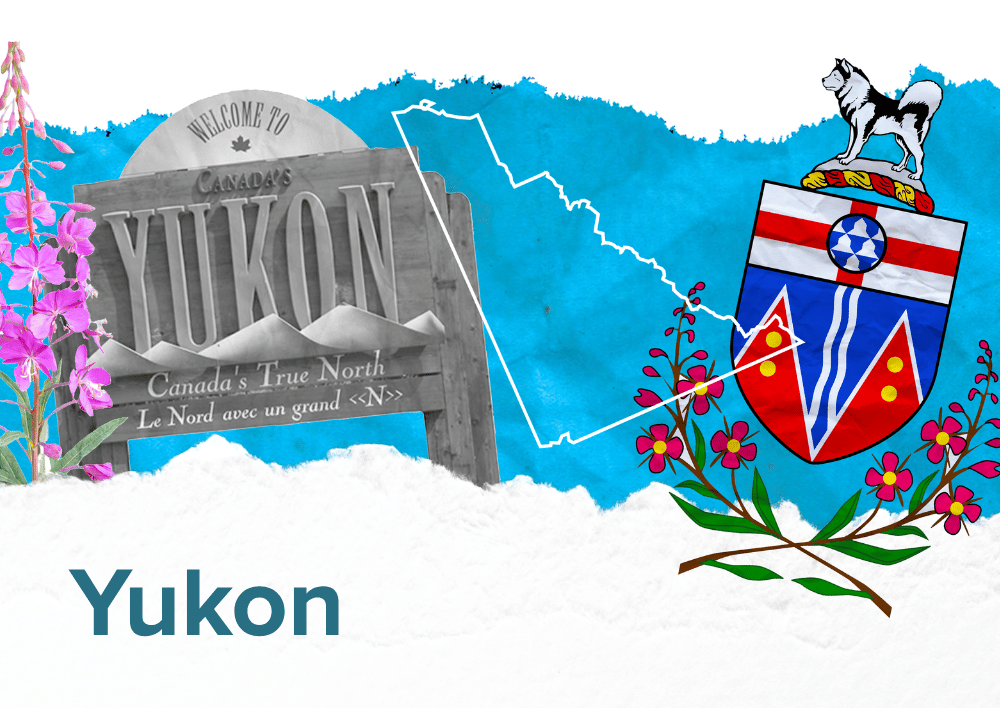
✅ March 2025: Yukon became the first (and so far only) territory to sign a pharmacare agreement with the federal government.
✅ September 2025: passed a new Residential Tenancies Act which limited rent increases to the rate of inflation, banned setting rent with AI tools, and scrapped “without cause” evictions.
❌ February 2026: the new Yukon Party government announced it will eliminate rent caps in 2027.
❌ March 2026: Yukon Party government repealed the territory’s Clean Energy Act and its emission reduction measures.
✅Yukon has the most comprehensive gender-affirming healthcare coverage in Canada. It adopted the WPATH (World Professional Association for Transgender Health) standards of care in 2021.
✅Yukon has some of the highest social assistance rates in Canada.
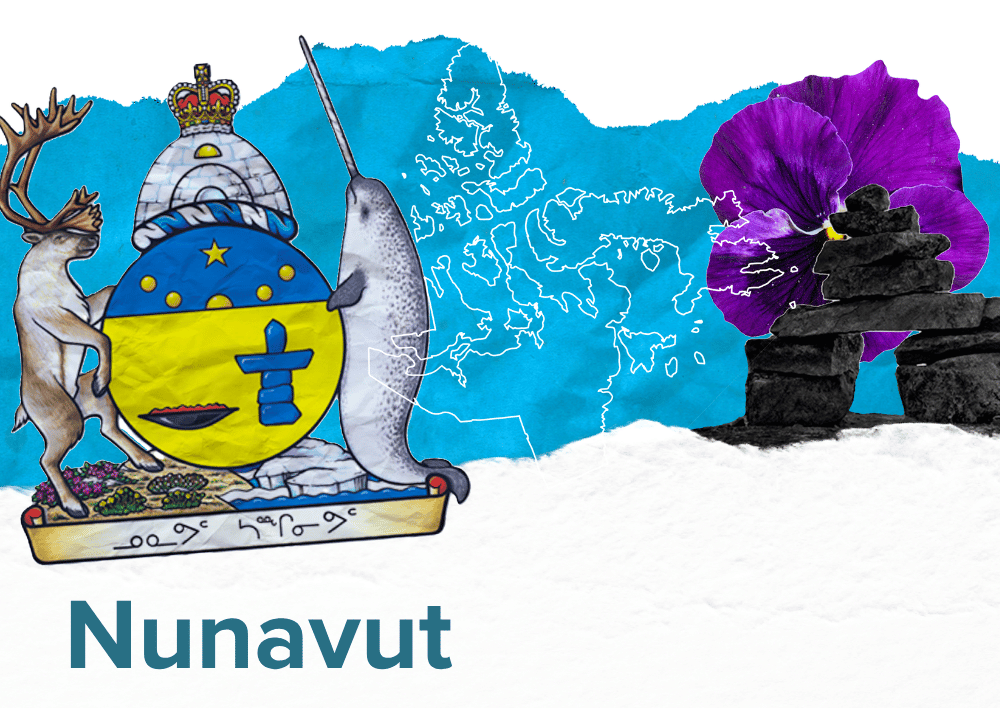
✅February 2025: territory announced a 7.5% wage increase for early learning and child care staff.
✅Nunavut’s Budget 2026 included a 14% funding increase for its Department of Health, $87 million for public housing, and extra funding for daycare, education, healthcare workers and poverty reduction.
✅June 2026: government passed legislation to double the Nunavut Child Benefit, and tie payments to inflation.
✅Nunavut is taking over control of its public lands, resources and water from the federal government. Those powers are being devolved to the territory under the Nunavut Lands and Resources Devolution Agreement. The changes are supposed to be completed in 2027.
✅Nunavut has the highest minimum wage in Canada, at $19.75 per hour.
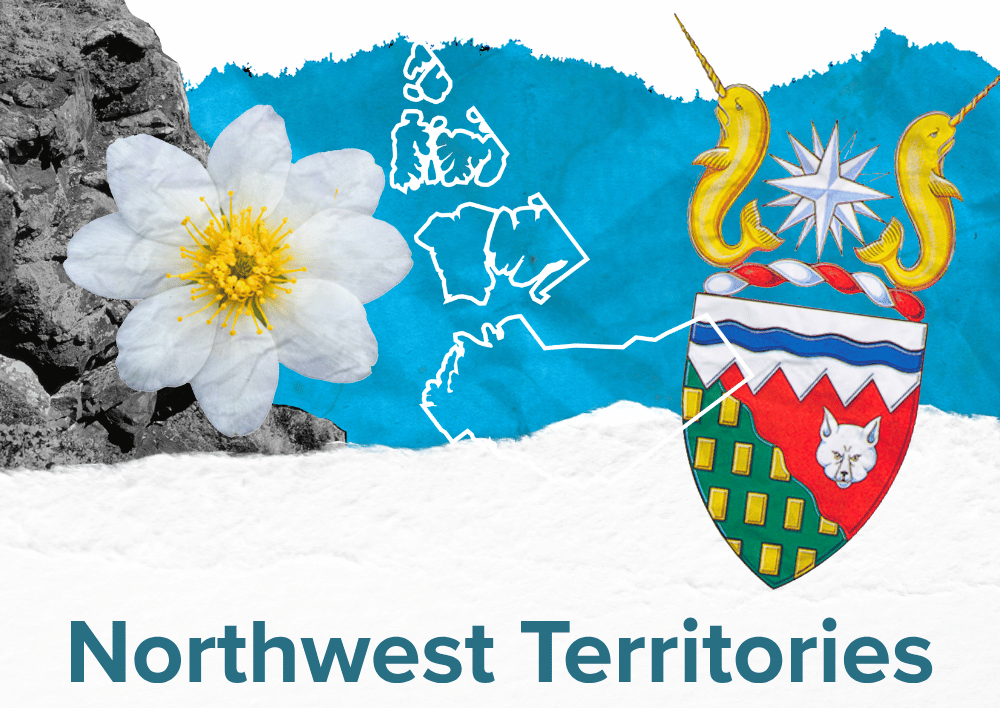
❌ Oct 2024 / Jan 2025: Auditor General releases scathing report of P3 build (Stanton Territorial Hospital), estimating the project would run at least $460 million over budget, and detailing how the government was paying rent on its own building. Government refused to say how much it was paying in rent after the report.
✅April 2026: government passed an “inclusive schooling” plan, along with $30 million to support its implementation.
❌ May 2026: Auditor General report found “serious shortcomings” at NWT child and family services, including high caseloads, slow response times, failure to meet minimum contact requirements, and insufficient oversight of foster homes. 98% of children receiving child and family services identify as Indigenous (compared to 58% of the overall population).
✅Northwest Territories has some of the highest social assistance rates in Canada.
❌ NWT does not cap rent increases – landlords can effectively increase your rent by however much they want once a year.
❌ Northwest Territories excludes social assistance recipients from getting the Canada-NWT Housing Benefit, even though many of them need it the most.